Blog

Operations

This path offers the satisfaction of keeping everything on track, ensuring that hardscaping projects are completed on time and within budget.
What Does an Operations Professional Do?

An operations professional is the backbone of hardscaping projects, ensuring all moving parts come together seamlessly. As part of the operations team, you’ll manage the organizational and logistical aspects of a project. This includes:

  • Supply Chain Management: Overseeing the sourcing, purchasing, and delivery of materials like pavers, stone, and concrete.
  • Logistics Coordination: Scheduling deliveries, managing equipment, and ensuring that resources are available when and where they’re needed.
  • Team Coordination: Working closely with foremen, installers, and project managers to ensure everyone is aligned and projects run smoothly.
  • Budget Management: Tracking project costs, handling procurement, and ensuring projects stay within financial guidelines.
  • Quality Control: Ensuring that all installations meet high standards of quality and safety.
  • Scheduling: Developing and managing timelines to keep projects on track and prevent delays.

Career Path

Starting in operations opens up a world of opportunities for career growth. Here’s what the typical path might look like:

  • Entry-Level Operations Assistant: Learn the ropes by assisting with material orders, logistics, and scheduling under experienced operations managers.
  • Operations Coordinator: Take on more responsibilities, managing day-to-day logistics, and ensuring teams have everything they need to complete their tasks.
  • Operations Manager: Oversee entire projects or multiple teams, managing logistics, budgets, and schedules to ensure smooth operations across the board.
  • Director of Operations: Lead operations across larger organizations or multiple projects, focusing on high-level strategy, optimization, and efficiency.
  • Business Owner: Use your extensive knowledge of operations to start your own hardscaping business, offering expert services that ensure projects are delivered efficiently and on time.

Benefits of a Career in Operations

  • Problem-Solving: Every day brings new challenges, making this role ideal for those who enjoy finding creative solutions to logistical and operational issues.
  • Team Leadership: Operations professionals play a vital role in leading teams and ensuring that everything runs smoothly.
  • Job Stability: As long as there are hardscaping projects, skilled operations professionals will be needed to manage them.
  • Diverse Skillset: Learn to manage a wide range of tasks, from supply chain logistics to budgeting, making you an invaluable asset to any organization.
  • Career Advancement: Opportunities for growth are plentiful, with clear paths to managerial or even executive roles.

Ready to Get Started?

  • Get Educated: Explore vocational or business programs that teach project management, logistics, and supply chain management.
  • Gain Experience: Start in an entry-level position and work closely with experienced operations managers to learn the intricacies of the field.
  • Obtain Certifications: Consider certifications such as Project Management Professional (PMP) to boost your credentials and stand out in the industry.
  • Network: Connect with operations professionals in the hardscaping and construction industries to learn about new job opportunities and best practices.

Be part of the essential operations team that ensures every hardscaping project runs smoothly. From logistics to team coordination, you’ll play a critical role in the success of outdoor transformations, with ample opportunities for growth and fulfillment in your career.

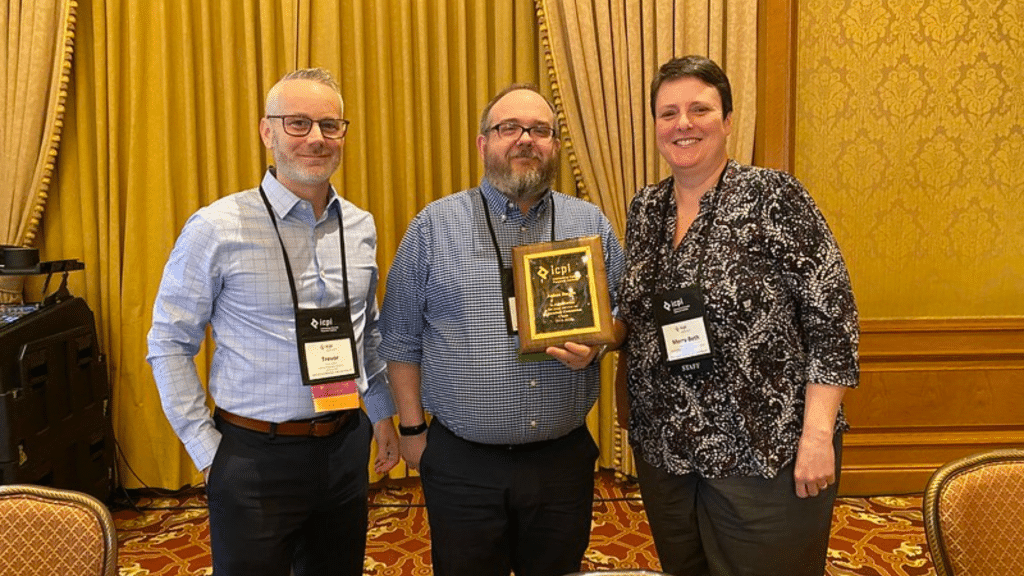
A DAY IN THE LIFE OF

Trevor Fearn

VP Operations, CornerStone Wall

“This industry can teach you anything.” – Trevor Fearn, VP Operations, CornerStone Wall Solutions Inc.

Want to Hear More From Industry Pros?

Watch our video interviews from people pursuing careers in the industry.

Engineering

This path combines technical expertise with creative problem-solving to create innovative solutions that enhance the functionality and beauty of outdoor spaces.

What Does an Engineer Do?

Hardscaping engineers play a critical role in the design and construction of durable and aesthetically pleasing outdoor spaces. As an engineer in the hardscaping industry, your responsibilities may include:

  • Structural Design: Developing plans for patios, retaining walls, walkways, and other hardscape elements to ensure they are safe, functional, and visually appealing.
  • Material Selection: Choosing appropriate materials like segmental concrete units, natural stone and composite materials based on project requirements and environmental conditions.
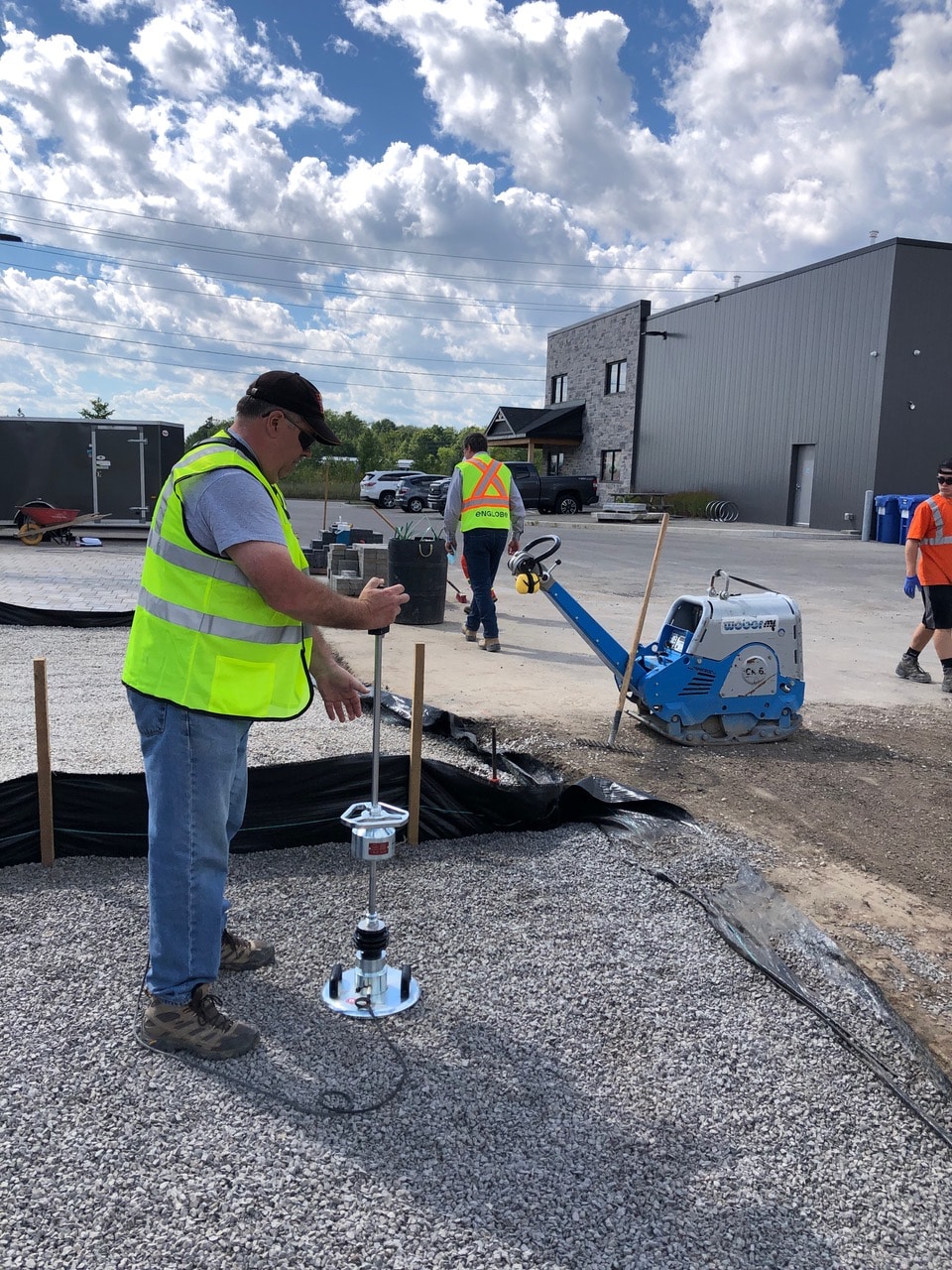
  • Site Assessment: Analyzing soil, drainage, and other site conditions to inform design and construction decisions.
  • Project Coordination: Working closely with designers, installers, and project managers to ensure seamless execution of projects.
  • Innovation: Developing new techniques and solutions to improve efficiency, sustainability, and aesthetics in hardscaping projects.

Career Path

Starting as a hardscaping engineer offers numerous opportunities for career progression. Here’s a typical career trajectory:

  1. Junior Engineer: Begin your career by assisting senior engineers with design and analysis tasks.
  2. Project Engineer: Take on more responsibility, managing specific projects from concept through to completion.
  3. Senior Engineer: Lead complex projects, mentor junior engineers, and contribute to strategic planning.
  4. Engineering Manager: Oversee multiple projects and engineering teams, ensuring quality and efficiency across the board.
  5. Director of Engineering: Shape the direction of engineering within a company, focusing on innovation, research, and development.

Benefits of a Career in Engineering

Problem-Solving: Enjoy the challenge of developing innovative solutions to complex design and construction problems.

Diverse Projects: Work on a wide range of projects, from residential patios to large commercial installations.

Collaborative Environment: Partner with designers, installers, and other professionals to bring outdoor spaces to life.

Professional Growth: Continuous learning and development opportunities keep your skills sharp and your career advancing.

Impactful Work: See the tangible results of your engineering expertise in beautiful, functional outdoor spaces.

Ready to Get Started?

If you’re ready to pursue a career in hardscaping engineering, consider the following steps:

  • Education: Obtain a degree in civil engineering, geotechnical engineering, or a related field.
  • Experience: Gain practical experience through internships or entry-level positions in construction or landscape design.
  • Certifications: Pursue certifications from professional organizations like the American Society of Civil Engineers (ASCE) or the National Society of Professional Engineers (NSPE) to enhance your qualifications.
  • Networking: Connect with industry professionals to learn about job opportunities and stay current with industry trends.

Join the hardscaping industry as an engineer and contribute to creating beautiful, lasting outdoor spaces. Explore the opportunities for innovation, collaboration, and professional growth in a rewarding and dynamic field

A DAY IN THE LIFE OF

Bryan Horr, P.E.

Division Engineer, Segmental Pavements

“Every day brings something new—whether it’s supervising installations or teaching classes on permeable pavements.” – Bryan Horr, P.E., Division Engineer of Segmental Pavements at the Concrete Masonry & Hardscapes Association (CMHA)

Want to Hear More From Industry Pros?

Watch our video interviews from people pursuing careers in the industry.
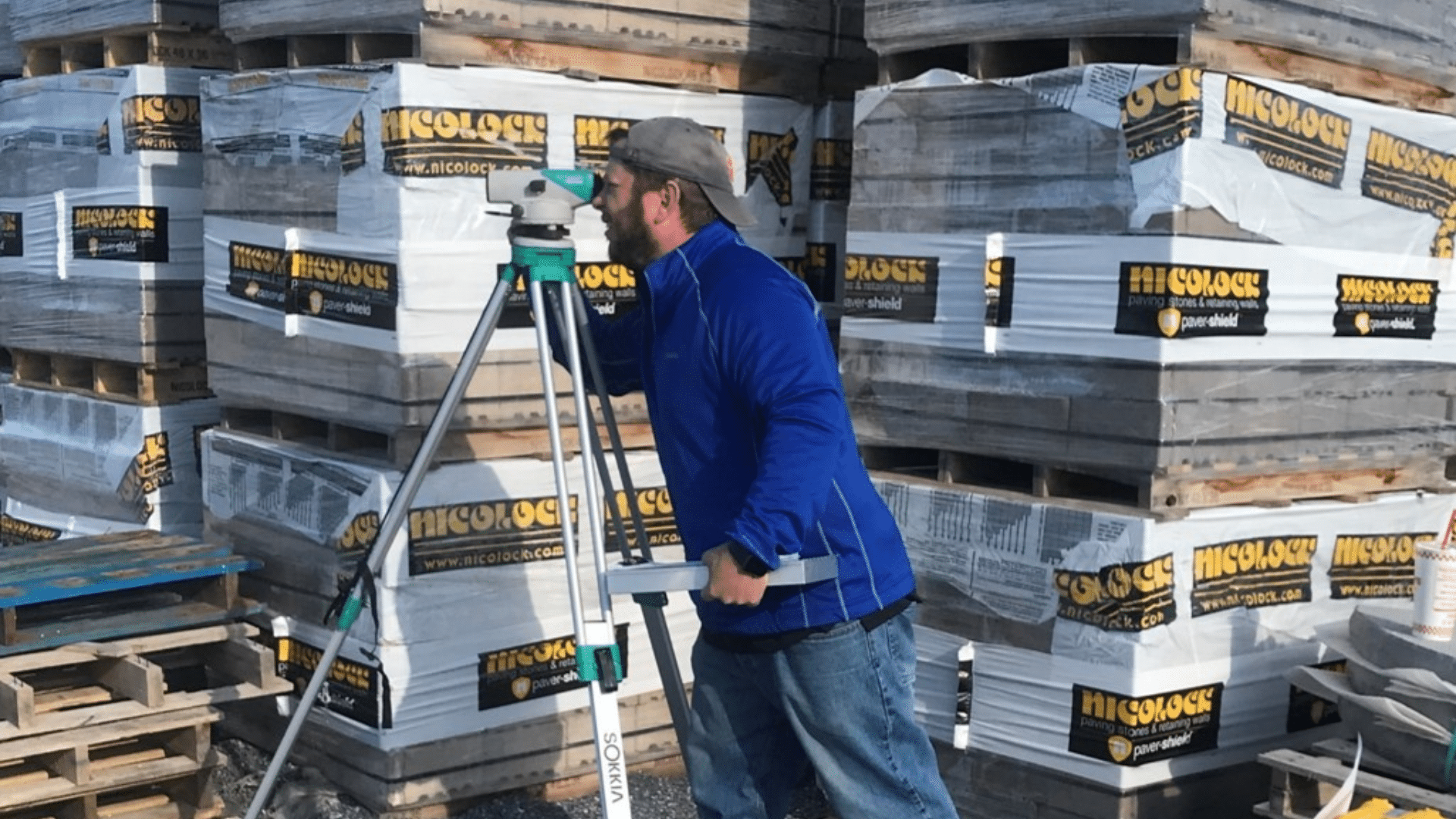
Marketing

This path focuses on creating compelling campaigns, engaging with clients, and driving business growth through innovative strategies that highlight the unique appeal of hardscaping projects.

What Does a Marketer Do?

Marketing professionals in the hardscaping industry are essential for connecting products and services with the right customers. As a marketer in this field, your responsibilities might include:

  • Market Research: Understanding industry trends, customer needs, and competitor strategies to inform marketing plans.
  • Brand Development: Building and maintaining a strong brand identity that resonates with target audiences.
  • Campaign Management: Planning, executing, and analyzing marketing campaigns across various channels, including digital, print, and social media.
  • Content Creation: Developing engaging content such as blog posts, social media updates, videos, and brochures to attract and educate potential customers.
  • Sales Support: Collaborating with sales teams to create materials and strategies that drive customer engagement and sales.

Career Path

A career in hardscaping marketing offers numerous opportunities for growth and specialization. Here’s a typical career path:

  1. Marketing Coordinator: Start your career by supporting marketing initiatives, managing social media accounts, and assisting with content creation.
  2. Marketing Specialist: Focus on specific areas such as digital marketing, content marketing, or SEO, developing expertise in those niches.
  3. Marketing Manager: Oversee marketing campaigns, manage a team of marketers, and coordinate with other departments to ensure cohesive marketing strategies.
  4. Director of Marketing: Lead the marketing department, develop long-term strategies, and drive brand growth and market presence.
  5. Vice President (VP), Senior Vice President (SVP), or Chief Marketing Officer (CMO): Shape the overall marketing vision of the company, focusing on innovation, brand identity, and market expansion.

Benefits of a Career in Marketing

Creativity and Strategy: Combine creativity with strategic thinking to develop impactful marketing campaigns.

Diverse Responsibilities: Engage in a variety of tasks, from content creation to market analysis, ensuring no two days are the same.

Customer Engagement: Build relationships with customers, understanding their needs and guiding them through the purchasing process.

Growth Opportunities: Continuously develop your skills and advance your career in a dynamic and evolving industry.

Impactful Work: See the direct results of your efforts in increased brand awareness, customer engagement, and sales growth.

Ready to Get Started?

If you’re ready to pursue a career in hardscaping marketing, consider the following steps:

  • Education: Obtain a degree in marketing, business administration, communications, or a related field.
  • Experience: Gain practical experience through internships, freelance projects, or entry-level positions in marketing departments.
  • Certifications: Pursue certifications from organizations like the American Marketing Association (AMA) or HubSpot Academy to enhance your qualifications.
  • Portfolio Development: Build a strong portfolio showcasing your marketing campaigns, content, and results.
  • Networking: Connect with industry professionals, attend marketing conferences, and participate in industry events to stay updated on trends and opportunities.

Join the hardscaping industry as a marketing professional and play a crucial role in connecting customers with beautiful, functional outdoor spaces. Explore the exciting possibilities for creativity, customer engagement, and professional growth in a dynamic career.

A DAY IN THE LIFE OF

Ashley Alvarez

Senior Digital Marketing Specialist

“From designing our website to teaching digital marketing workshops, every day brings a new challenge and opportunity to grow.” – Ashley Alvarez, Senior Digital Marketing Specialist

Want to Hear More From Industry Pros?

Watch our video interviews from people pursuing careers in the industry.

Design

This path involves creating detailed layouts and selecting materials to craft aesthetically pleasing and functional spaces, transforming client ideas into beautiful, tangible realities.

What Does a Designer Do?

Hardscaping designers are the creative visionaries who transform outdoor spaces into beautiful, functional environments. As a designer in the hardscaping industry, your responsibilities include:

  • Concept Development: Creating initial design concepts based on client needs, site conditions, and aesthetic preferences.
  • Detailed Planning: Developing detailed plans and drawings, specifying materials, colors, and textures to bring your vision to life.
  • Client Collaboration: Working closely with clients to understand their desires and provide design solutions that exceed their expectations.
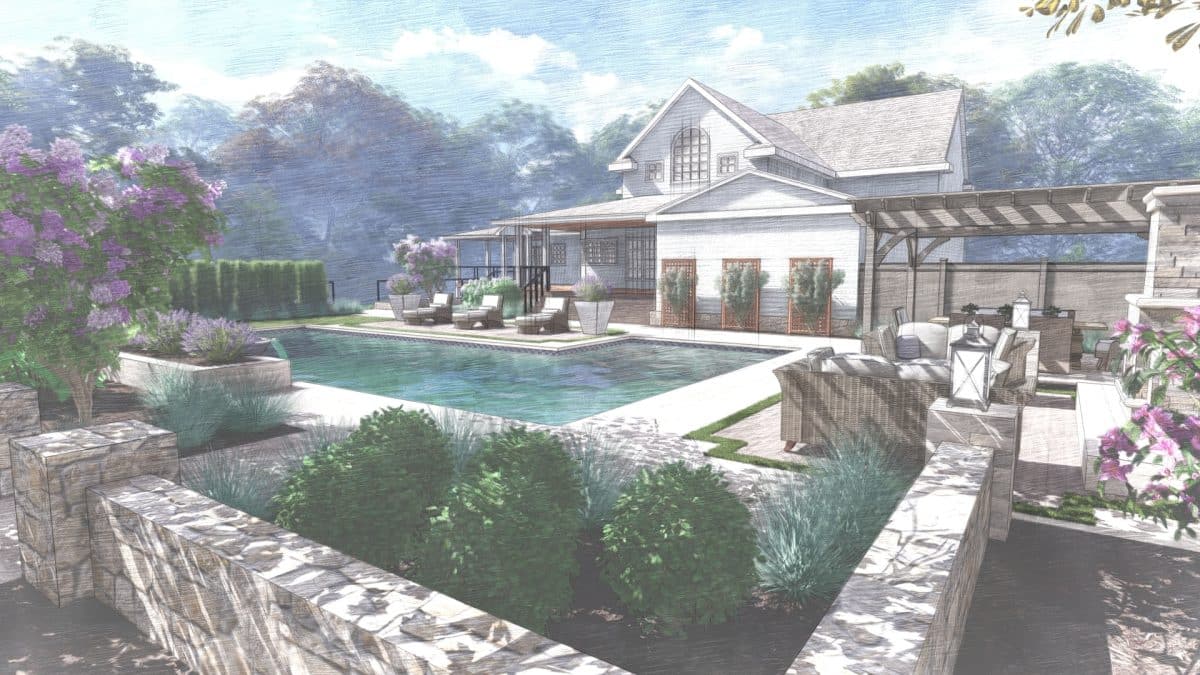
  • Visualization: Using tools like 3D modeling and augmented reality to help clients visualize the final product before construction begins.
  • Project Coordination: Collaborating with engineers, installers, and project managers to ensure the design is executed accurately and efficiently.

Career Path

A career in hardscaping design offers numerous opportunities for growth and specialization. Here’s a typical career path:

  1. Junior Designer: Start your career by assisting senior designers with drafting, modeling, and client presentations.
  2. Design Specialist: Focus on specific areas such as garden design, outdoor kitchens, or water features, developing expertise in those niches.
  3. Lead Designer: Take charge of entire projects, from initial concept through to final implementation, and mentor junior designers.
  4. Design Manager: Oversee a team of designers, manage multiple projects, and ensure design quality and consistency across all work.
  5. Creative Director: Shape the overall design direction of a company, focusing on innovation, brand identity, and client satisfaction.

Benefits of a Career in Design

Creative Freedom: Express your creativity and bring unique design visions to life.

Client Interaction: Build strong relationships with clients and see the direct impact of your work on their satisfaction.

Variety of Projects: Work on diverse projects, from intimate garden spaces to expansive commercial landscapes.

Cutting-Edge Tools: Utilize the latest design software and technology to enhance your creativity and efficiency.

Professional Growth: Continuously develop your skills and advance your career in a dynamic and evolving industry.

Ready to Get Started?

If you’re ready to embark on a career in hardscaping design, consider the following steps:

  • Education: Obtain a degree in landscape architecture, graphic design, or a related field.
  • Experience: Gain practical experience through internships, freelance projects, or entry-level positions in landscape design firms.
  • Certifications: Pursue certifications from organizations like the American Society of Landscape Architects (ASLA) to boost your credentials.
  • Portfolio Development: Build a strong portfolio showcasing your design projects, skills, and creativity.
  • Networking: Connect with industry professionals, attend design workshops, and participate in industry events to stay updated on trends and opportunities.

Join the hardscaping industry as a designer and play a pivotal role in shaping stunning outdoor spaces. Explore the endless possibilities for creativity, client satisfaction, and professional growth in an inspiring career.

A DAY IN THE LIFE OF

Joe Raboine

Vice President of Design

“I spend a lot of time teaching contractors and designers how to build better outdoor living spaces.” – Joe Raboine, VP of Design at Oldcastle APG

Want to Hear More From Industry Pros?

Watch our video interviews from people pursuing careers in the industry.

Installation

This path offers the satisfaction of seeing your craftsmanship enhance landscapes, providing both aesthetic beauty and functional living spaces.

What Does an Installer Do?

A hardscaping installer is at the heart of transforming outdoor spaces. As an installer, you’ll be responsible for the hands-on work that brings landscape designs to life. This includes:

  • Laying Pavers: Creating patios, driveways, walkways, and other paved areas.
  • Building Retaining Walls: Constructing walls that hold back soil and create level areas in landscapes.
  • Installing Outdoor Features: Setting up outdoor kitchens, fire pits, water features, and more.
  • Constructing Decks and Fences: Using materials like composite decking and various types of fencing to enhance outdoor spaces.
  • Working with Various Materials: From stone and concrete to wood and composite materials, you’ll use a variety of products to build durable and attractive features.
  • Other Useful Skills: Electrician, Plumber, Carpenter, Irrigation, Excavation, Heavy Equipment Operator, Surveyor, Small/Large Engine Repair.

Career Path

Starting as a hardscaping installer can lead to numerous opportunities for career advancement. Here’s what the typical career path might look like:

  • Entry-Level Installer: Gain experience and learn the basics of installation under the supervision of more experienced colleagues.
  • Skilled Installer: Develop expertise in various installation techniques and take on more complex projects.
  • Crew Leader/Foreman: Lead a team of installers, manage job sites, and ensure projects are completed on time and to high standards.
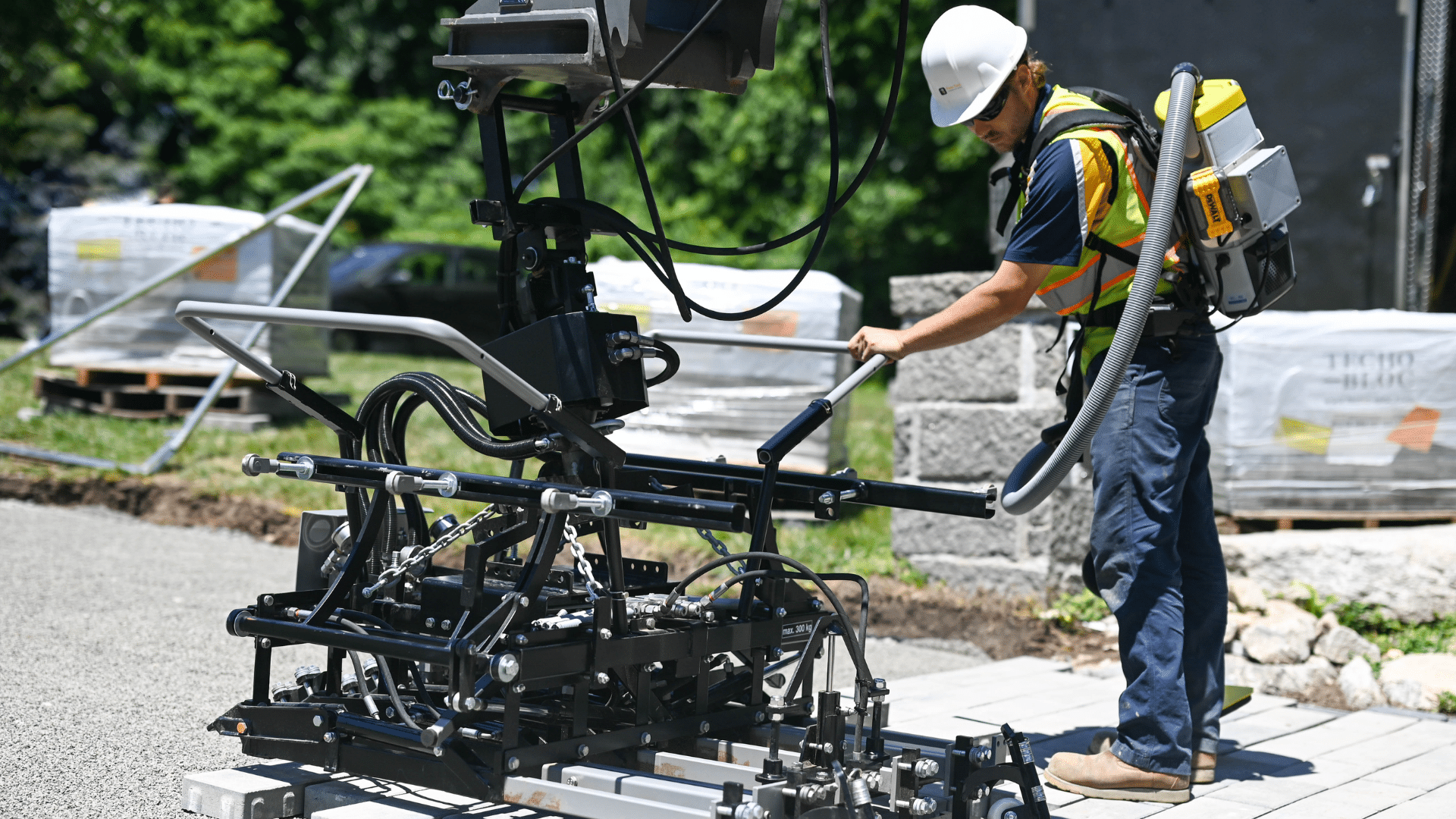
  • Machine Operator: Operate and maintain machinery used in hardscaping projects.
  • Project Manager: Oversee multiple projects, coordinate between different teams, manage schedules and budgets.
  • Business Owner: Start your own hardscaping company, offering specialized installation services.

Benefits of a Career in Installation

Hands-On Work: Enjoy the satisfaction of creating tangible, lasting outdoor spaces.

Active Lifestyle: Stay physically active and work outdoors, avoiding the sedentary nature of desk jobs.

Job Stability: With the increasing popularity of outdoor living spaces, the demand for skilled installers is consistently high.

Skill Development: Learn and master a variety of techniques and materials, making you a versatile and valuable asset in the industry.

Career Growth: Clear pathways for advancement allow you to grow your career and increase your earning potential over time.

Ready to Get Started?

If you’re ready to embark on a rewarding career in hardscaping installation, there are several steps you can take:

  • Get Educated: Look for vocational training programs or apprenticeships in landscaping or construction.
  • Gain Experience: Start with an entry-level position and learn from experienced installers.
  • Obtain Certifications: Consider certifications from organizations like Concrete Masonry & Hardscapes Association’s Certified Concrete Paver Installer certification to enhance your credentials.
  • Network: Connect with professionals in the industry to learn about job opportunities and trends.

Join the hardscaping industry as an installer and play a crucial role in creating beautiful, functional outdoor spaces. Explore the potential for growth, the satisfaction of hands-on work, and the opportunity to build a fulfilling career.

A DAY IN THE LIFE OF

Harrison Woytko

President of Boulder Landscape, LLC

“I saw the need that we could become true landscape hardscape professionals.” – Harrison Woytko, President of Boulder Landscape, LLC

Want to Hear More From Industry Pros?

Watch our video interviews from people pursuing careers in the industry.
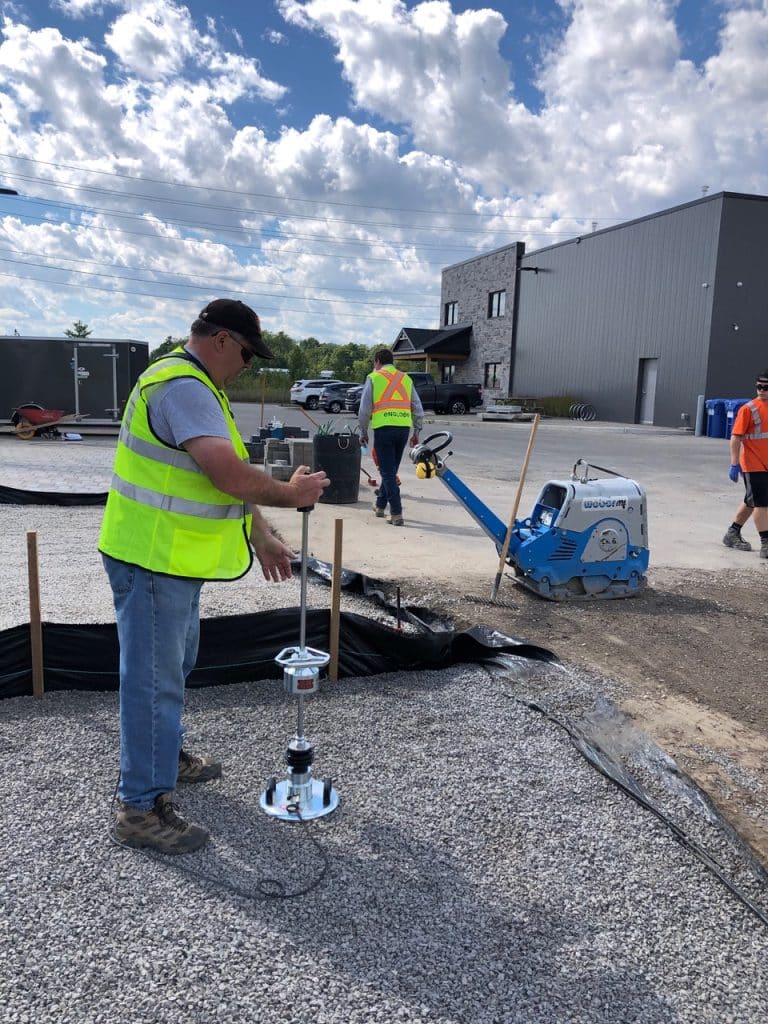
GET STARTED WITH A CAREER IN HARDSCAPING TODAY!